
Myal, like many African based religion is tied intricately to place, location — the setting and its surrounding fauna/flora play an important role.
Myal was initially believed to simple mean “spirit.”
The first known recorded observation of a Myal ceremony was in 1774 by Edward Long, who documented the performance of a Myal dance intended to persuade slaves that they would be invulnerable to the bullets of the white man. It was said they were told by the Myal leader that Obeah could restore their body to life if they appeared slain, but first they had to be initiated into the Myal dance.
Reportedly, a cold infusion of herbs caused slaves to fall into a profound sleep. This was probably an combination of Sinkle-Bible ( Jamaican term for Aloe Vera), breadfruit leaf, neaseberry and olive oil combine.
Obeah has been characterized as the opposite of Myal [sic], but to suggest its opposite is to simplify the complex transformation and melding that these two practices have undergone. For many there is no difference between Myal and Obeah, both have good, meaning healing practitioners as well as bad, those who engage in evil or spiteful acts.
Once it was believe that only women were Myalist, as they did spiritual work and men practiced Obeah, but there is enough evidence to suggest that it is not divided by gender line.
Among some Maroons they refer to Myal as Rubbing Trash, or Working Science.
The location plays an important role as it must provide privacy as well as place where herbs can be cultivated.
 Mountain region of St Ann, Marron area.
 One of the important herbs.
 Mural on the wall of the Maroon Museum, St. Ann
Share This!
More Good Stuff
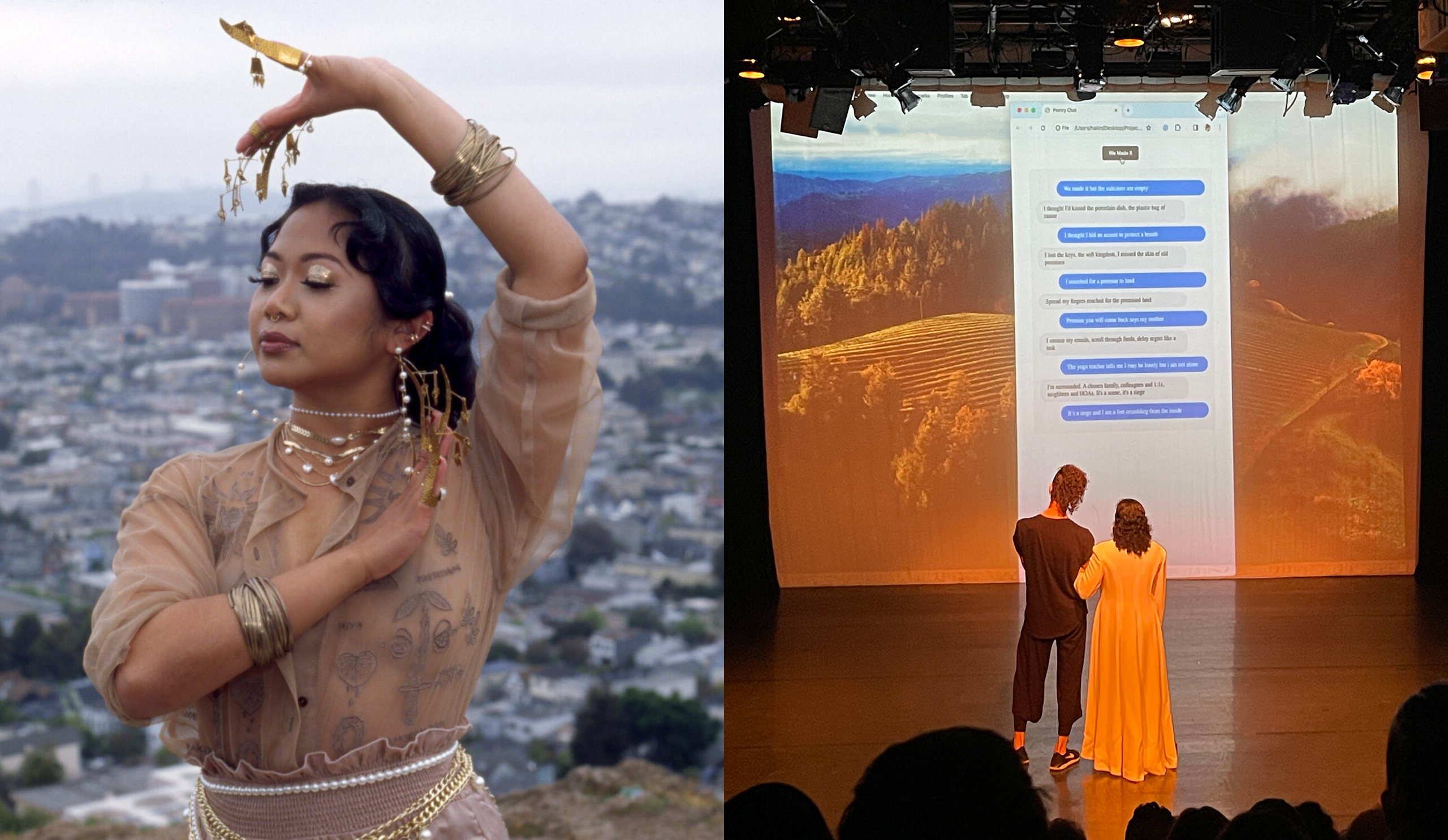
‘Border / Line خط التماس’ by Jess Semaan and Halim Madi & ‘Sa Ating Ninuno (To Our Ancestors)’ by Kim Requesto December 5-6 & 12-13,

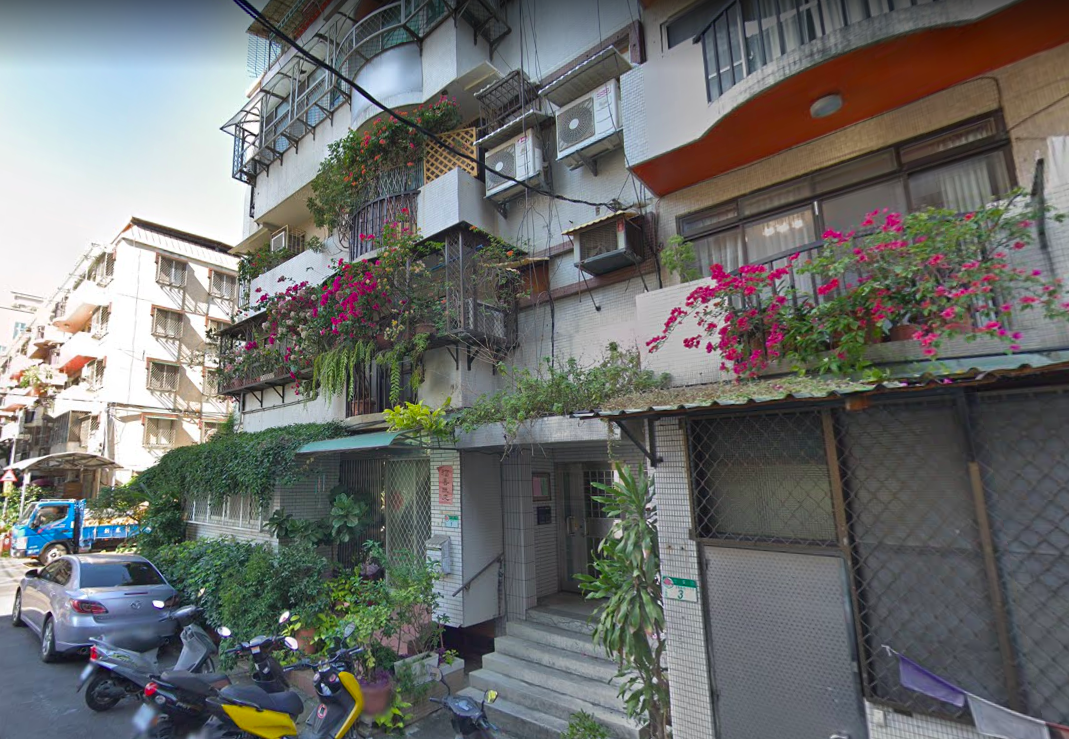
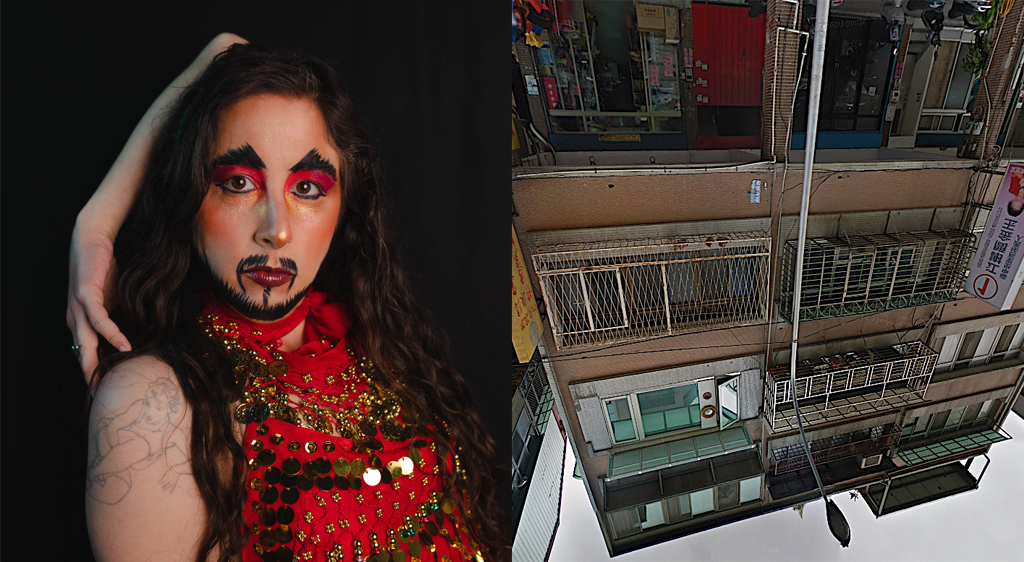
Unsettled/Soiled Group is a group of East, Southeast, and South Asian diasporic movers, makers, and settlers on Ramaytush and Chochenyo Ohlone land. Unsettled/Soiled Group is led by June Yuen Ting, one of CounterPulse's 2022 ARC Performing Diaspora artists and will debut Dwelling for Unsettling alongside VERA!'s Try, Hye!, Thursday through Saturday, December 8-10 & 15-17, 2022

Try, Hye! by Vera Hannush/VERA! & Dwelling for Unsettling by Unsettled/Soiled Group December 8-10 & 15-17, 2022 // 8PM PT // 80 Turk St, SF
opal,
it’s a refreshing reminder, your photos of the herbs. that as much as we live inside our studio-head-spaces, there is this very profound other-ecology out there.